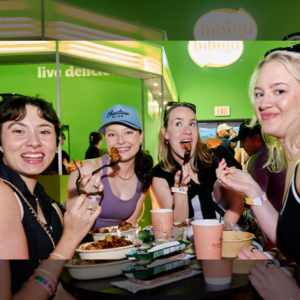
At THE CJ CUP in Texas, familiar American comfort foods layered with Korean flavors transformed a rainy golf weekend into an unexpectedly warm journey through K-food culture
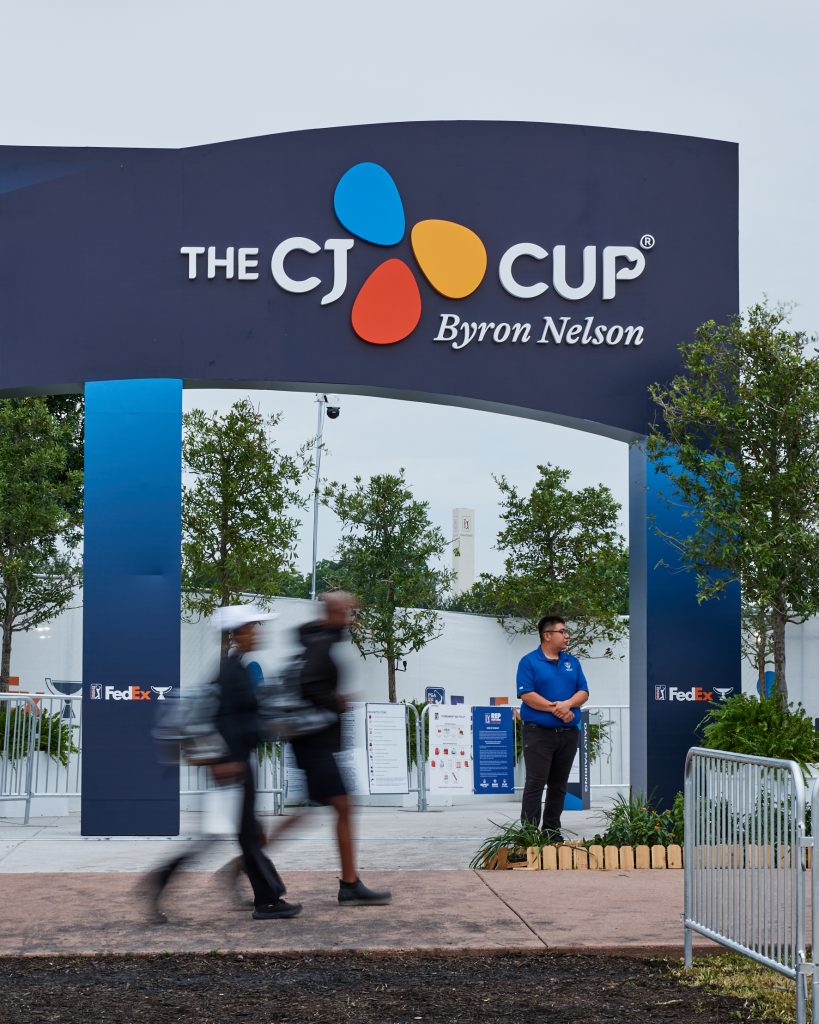
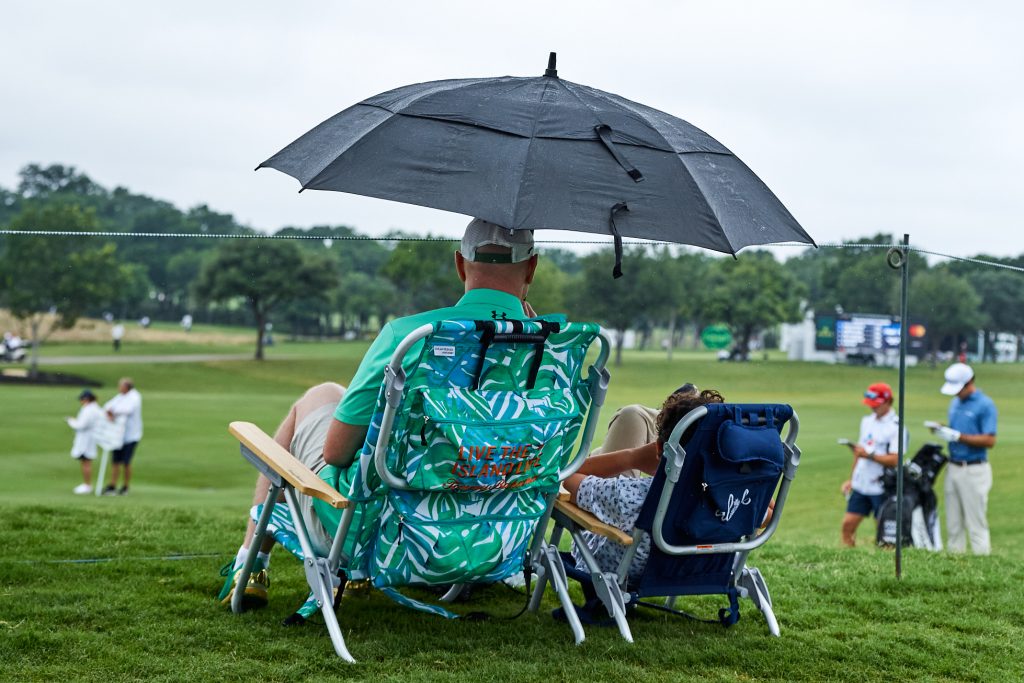
Rain drifts across the Texas air. The weather shifts by the minute, but around the seventh hole, the flow of spectators never slows — some beneath umbrellas, others wrapped in raincoats.
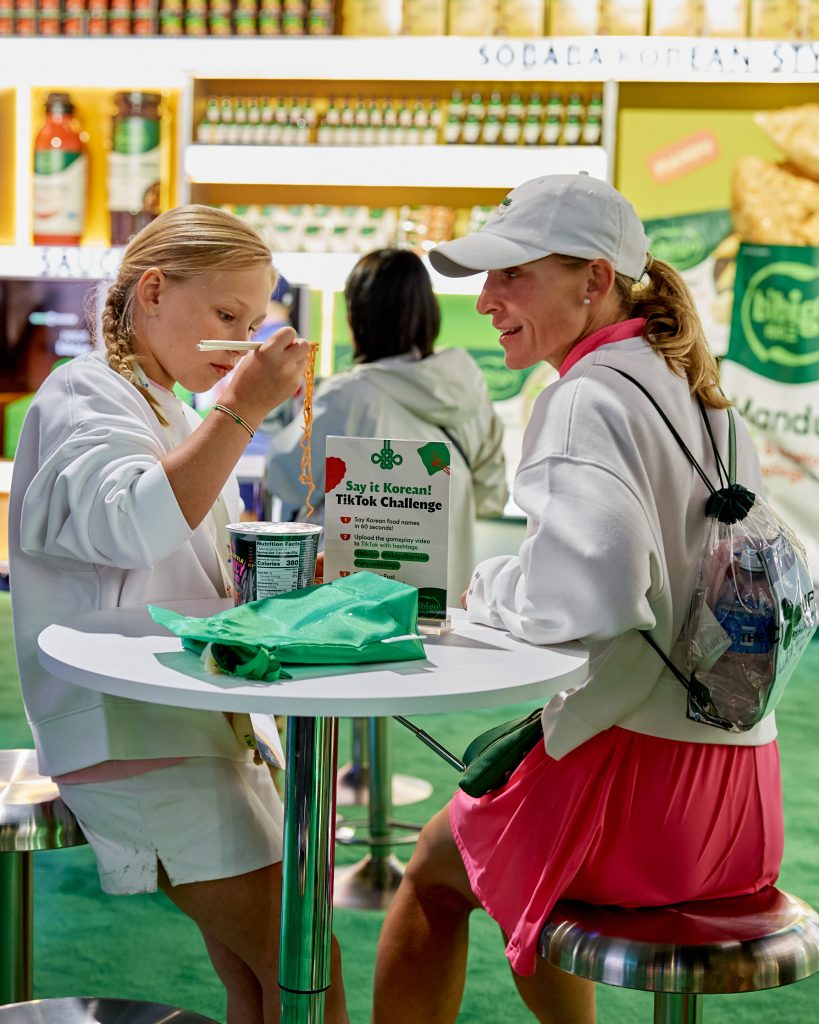
In their hands are not the oversized Texas barbecue sandwiches one might expect, but dishes that may still feel unfamiliar to many spectators. Chef Yoo Yong-wook’s “Kimchi Taco” delivers a bright, lingering heat that cuts cleanly through the damp air. Nearby, freshly fried Sobaba Chicken, coated in a creamy sauce, keeps its glossy sheen even beneath the gray Texas sky.
At the “DURUMI” concession stand near the 18th hole, a blond child takes a large bite of a potato cheese corn dog, eyes widening as mozzarella cheese stretches into a long strand. Beside the child, an older white-haired couple quietly sip beer over crispy kimchi nachos.
The feeling carries into “House of CJ,” where spectators step inside to escape the rain. The sweetness of a purple ube donut goes down smoothly alongside an Oatly Cold Brew. No one seems hesitant about the unfamiliar dishes. Even through the scattered rain, Korean flavors settle naturally into the Texas picnic scene — quietly, comfortably and without friction.
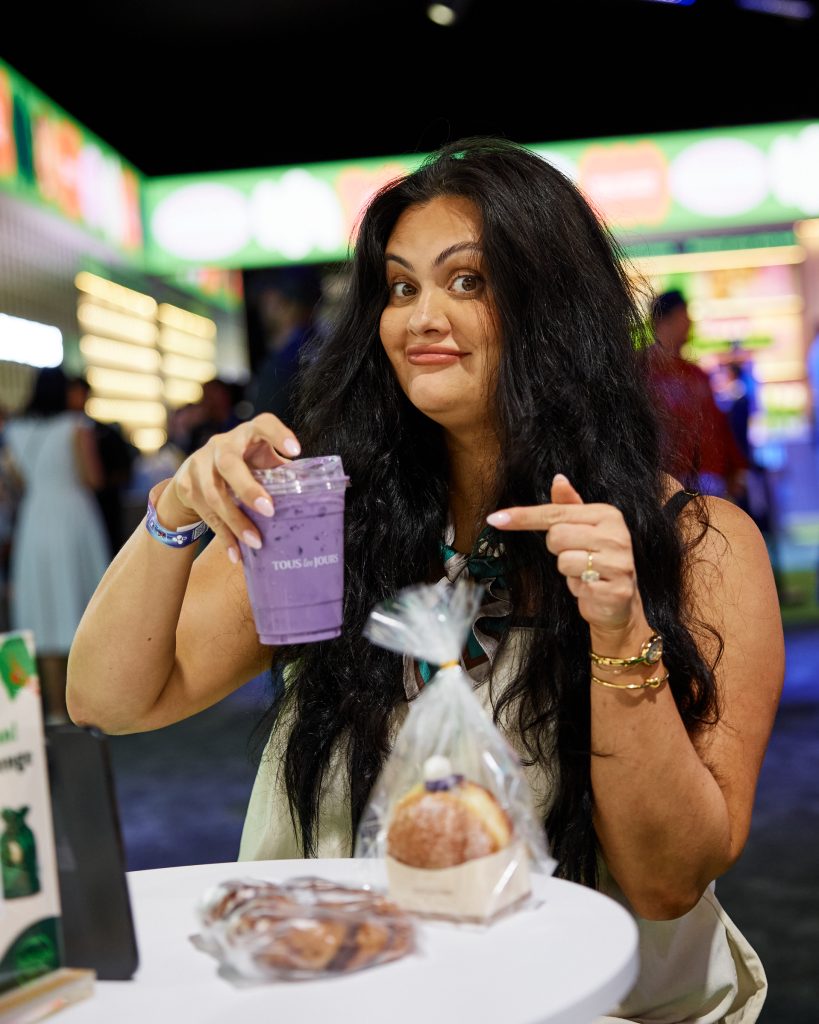
In the U.S., a golf tournament is rarely just a sporting event people attend only to watch the score and leave. It feels more like a picnic. Families pitch small tents or unfold lawn chairs across the grass, spending the entire day eating, drinking and sharing food together. Even beneath umbrellas, spectators continue moving along the course, still finding ways to pass plates and snacks between one another.
K-food slips naturally into the relaxed rhythm of the day. It is more than a quick bite to satisfy hunger. It becomes a full, comforting meal — something warm enough to cut through the fatigue of rain and long hours outdoors. As spectators spend the day on the grass, unfamiliar dishes slowly turn into delicious memories. What begins as a weekend at a golf tournament quietly becomes a journey through Korean flavors.
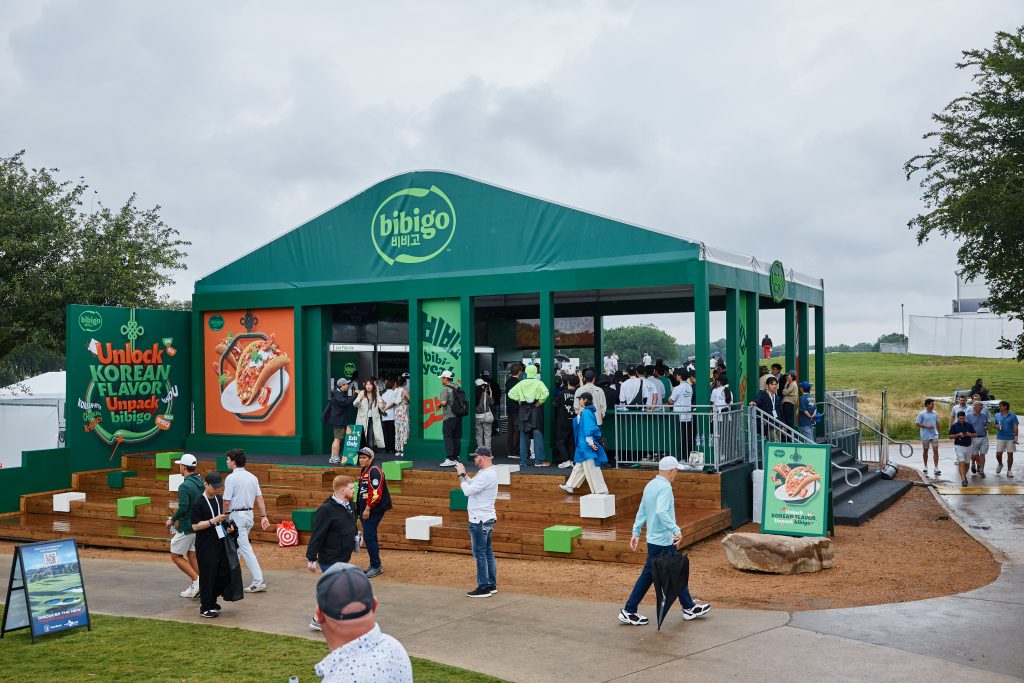
The reason local spectators embraced K-food so naturally lay in the menu itself. Tacos, nachos, corn dogs and donuts are all deeply familiar comfort foods in the U.S. — dishes whose flavors and textures people can almost imagine with their eyes closed. Into those recognizable forms, however, came distinctly new Korean flavors: the sharp heat of kimchi, the rich depth of gochujang sauce.
The familiarity of the dishes lowered the barrier to trying something new, while the Korean ingredients added an unexpected spark. What felt recognizable at first bite gradually opened into a different flavor experience, one that lingered pleasantly on the tongue.

The same approach carries into the Korean-inspired cocktails. The “Pear Penicillin,” blended with pear juice, and the “Rice Soju Rickey,” made with rice soju, weave subtle Korean flavors into cocktails that already feel familiar. In each glass, the familiar and the unexpected come together naturally, adding another layer of enjoyment despite the unsettled weather.
Even the cups in spectators’ hands and the straws at their lips reflected that same attention to detail. Throughout the tournament, CJ CheilJedang introduced eco-friendly cups and containers made with biodegradable PHA materials. Much like the Korean touch layered quietly into familiar cocktails, sustainable technology designed to return harmlessly to nature was seamlessly incorporated into everyday disposable cups and paper containers.
It was a quiet form of consideration — one that cared for both flavor and the environment — and it blended naturally into the experience of eating and drinking in the rain.
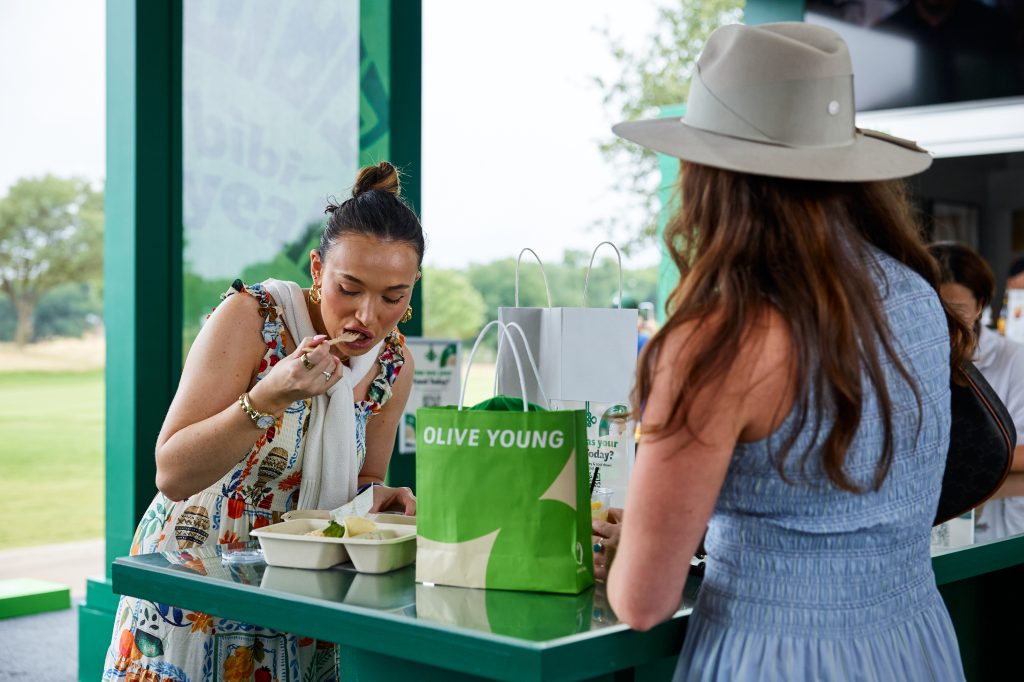
Food may be the gentlest language for opening the heart. Watching another culture on screen keeps it at a safe distance. But to taste it — to chew, swallow and share a meal together — is to bring something unfamiliar into everyday life in the most tangible way.
And flavors discovered by chance often linger longer than expected. Even more so when they are tied to the memory of a warm meal eaten on wet grass at a rain-soaked golf course in Texas. For those who have come to know the heat of a kimchi taco and the salty richness of a cheese corn dog, bibigo, DURUMI and TOUS les JOURS no longer felt like exotic names made for social media.
Instead, they became something simpler and more lasting: food that naturally fit the moment. A meal chosen because the rain would not stop and hunger had set in — only to become something unexpectedly familiar, comforting and satisfying.
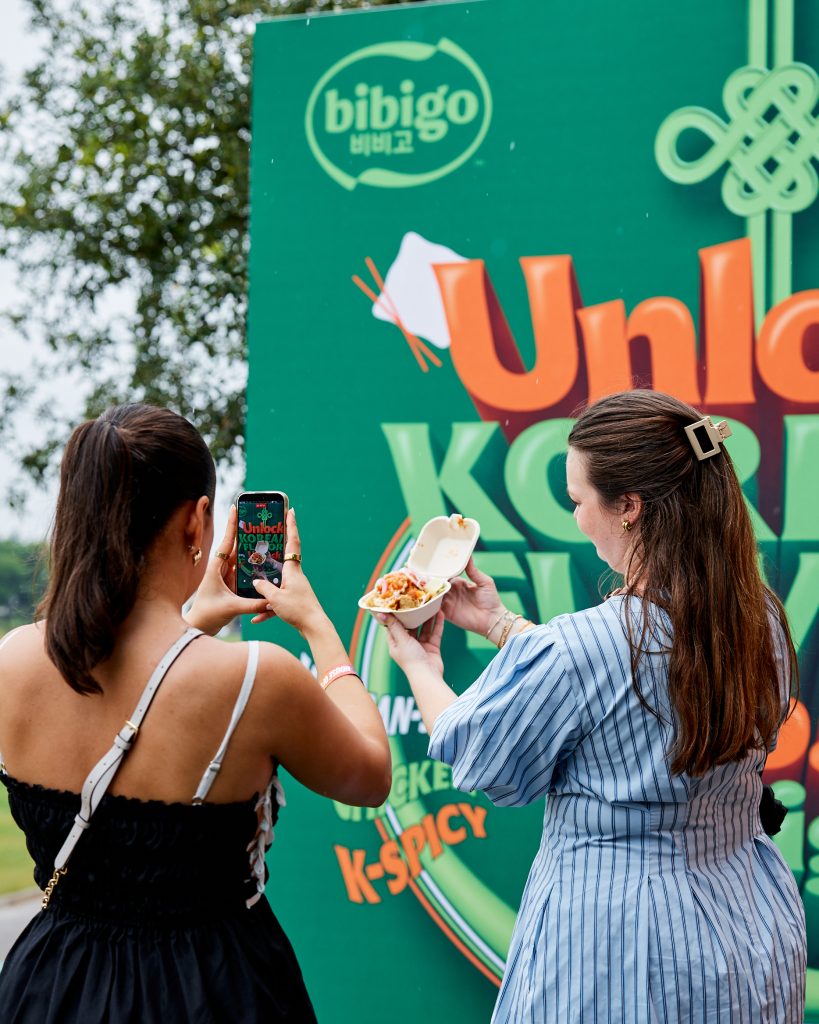
Once a delicious memory crosses the tongue, it often leaves a surprisingly practical trace in everyday life. Days later, while pushing a cart through Kroger or Walmart, those same spectators may no longer walk past the Asian food aisle without a second glance. Almost unconsciously, they may find themselves reaching for a logo that now feels familiar.
THE CJ CUP does not rely on loud slogans about the globalization of K-food. Instead, it works more quietly and naturally than that. Over the course of a rainy weekend in Texas, it simply slips one more choice into everyday Texan shopping habits — smoothly, subtly and, above all, deliciously.
⛳ Catch Up on THE CJ CUP Stories
DAY 1
[THE CJ CUP ESSAY] From Korea to Texas: K-Food Shines at THE CJ CUP
[THE CJ CUP MOMENT] One Rainy Afternoon, K-Food Found a Home in Texas
DAY 2
[THE CJ CUP ESSAY] Under the Texas Sun, K-Beauty Finds Its Place
[THE CJ CUP MOMENT] On a Pin-Covered Lanyard, Dedication Becomes Heritage
DAY 3
[THE CJ CUP ESSAY] Playful Energy Finds Its Place in Golf’s Quiet Moments
[THE CJ CUP MOMENT] Two Names, Side by Side on the Fairway
DAY 4
[THE CJ CUP ESSAY] More Than Golf, A Weekend of K-Lifestyle
[THE CJ CUP MOMENT] Through the Viewfinder, K-Lifestyle Comes Into Focus

![[CJ ON THE GROUND — THE CJ CUP] Chairman Lee’s Dreams for Golf: ‘Dream bigger, goal higher’](https://img.newsroom.cj.net/wp-content/uploads/2026/06/CJ-Newsroom-CJ-Group-CJ-ON-THE-GROUND-THE-CJ-CUP-Thumbnail-300x290.jpg)