Cuisine.K’s U.S. cooking classes show that the next frontier for K-food is not awareness but adoption
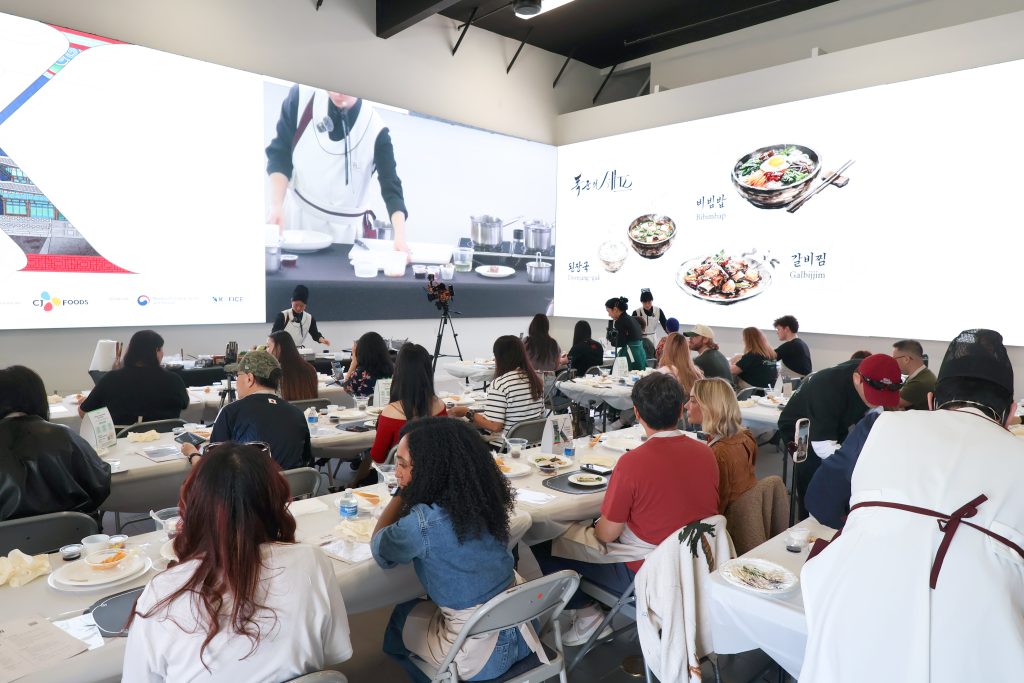
On an April morning in New York, participants gathered in aprons around a kitchen counter to cook the iconic dishes inspired by “Bon Appétit, Your Majesty,” the hit Netflix drama set in a royal court where food plays a central role. The point, however, was not simply to recreate scenes from the drama. It was to understand how Korean cuisine could move from something admired on-screen to something made and tasted at home. Developed as part of the “Touring K-Arts program,” an initiative created in collaboration with the South Korean Ministry of Culture, Sports and Tourism and the Korean Foundation for Cultural Exchange (KOFICE), the U.S. cooking classes were structured as a chef-led, interactive format combining explanation, demonstration, practice and tasting.
As evidenced by its rapid ascent to the global stage, Korean cuisine no longer needs to prove that it can capture attention. The more important question now is whether that interest can be sustained over time — becoming a cuisine that people order without hesitation, cook on weeknights and keep returning to time and again. That is the space Cuisine.K — CJ Foods’ initiative to share Korean cuisine with the world — is trying to address.
“At this stage, the next step for K-food is no longer awareness but everyday adoption,” said Park Shin-young, a Hansik245 project manager at CJ Foods. “Beyond product exports or content exposure, what matters now is how that interest can be connected to real experience and repeated consumption.”
Why Awareness Is No Longer the Question
The worldwide appetite was already there before the Cuisine.K class began. In the National Restaurant Association’s What’s Hot 2025 report, Korean cuisine ranked No. 1 among Top Dishes and No. 3 among Overall Dining Trends in the U.S., while consumer research released by South Korea’s Ministry of Agriculture, Food and Rural Affairs found that global awareness of Korean food had reached 68.6%. CJ Foods’ steadily rising food sales outside Korea tell a similar story. In 2025, the company recorded 11.5 trillion KRW in food sales, while sales outside Korea reached a record 5.9 trillion KRW — surpassing sales in Korea for the first time in a historic milestone.
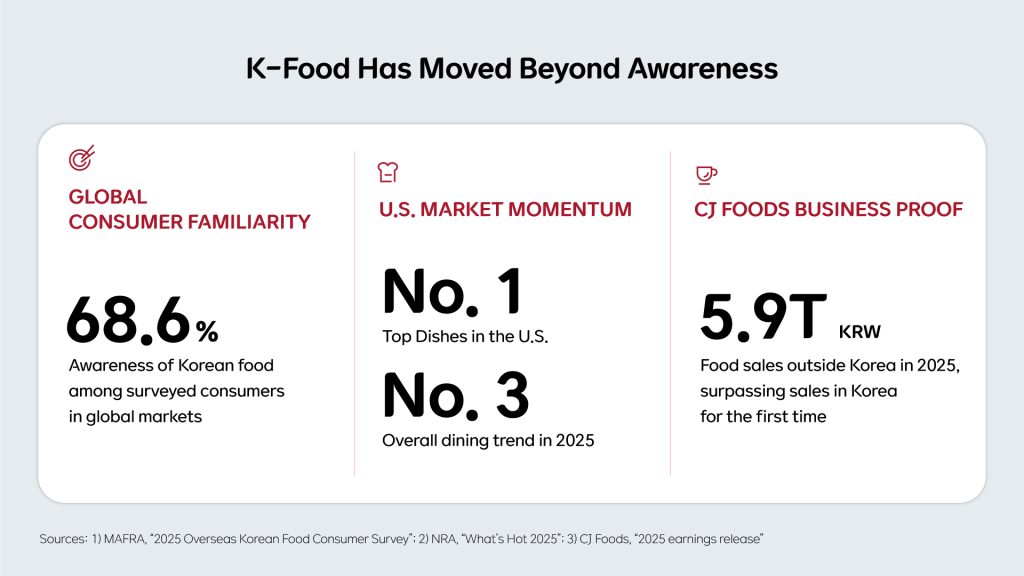
These data points suggest that Korean food has already moved beyond culinary novelty. The next question is whether that familiarity can encourage global consumers to turn to K-food for repeat cooking and purchase in their everyday lives. That is what separates a one-time food trend from a cuisine that has truly secured a place at the table.
The recent Cuisine.K cooking classes in the U.S. illustrate this distinction well. They were not built for audiences encountering Korean food for the first time but for people already interested in it — K-food lovers ready to take a more active step. In other words, the program reflects a demographic that is deepening its relationship with Korean cuisine rather than simply discovering it for the first time.
Why Experience Changes Behavior
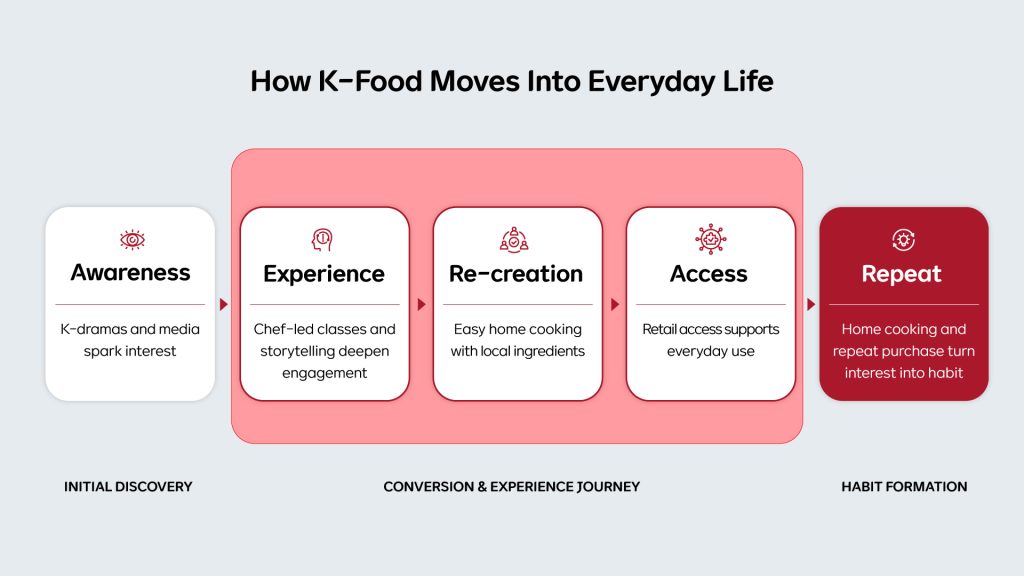
Moving from awareness to adoption requires more than good storytelling — it requires practical experience.
For Korean cuisine to become part of everyday cooking for global consumers, three things need to happen. First, they need to understand the background of a dish and how its flavors work. Then they need a chance to try it for themselves rather than merely seeing it through a screen. Finally, they need an accessible way to recreate the dish later, whether through written recipes, accessible ingredients or familiar product touchpoints.
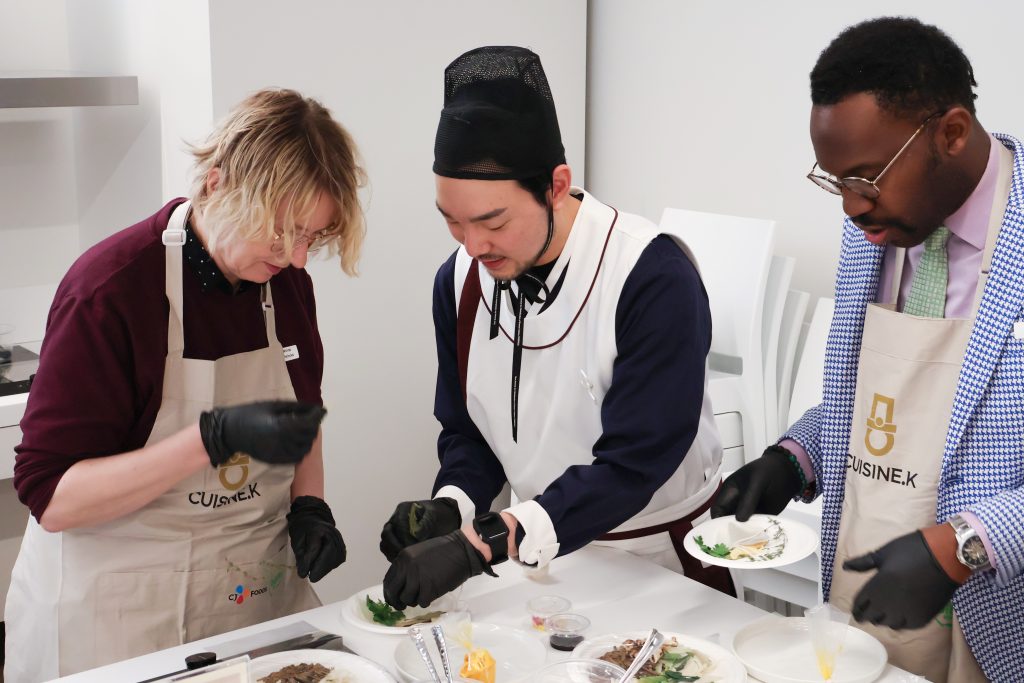
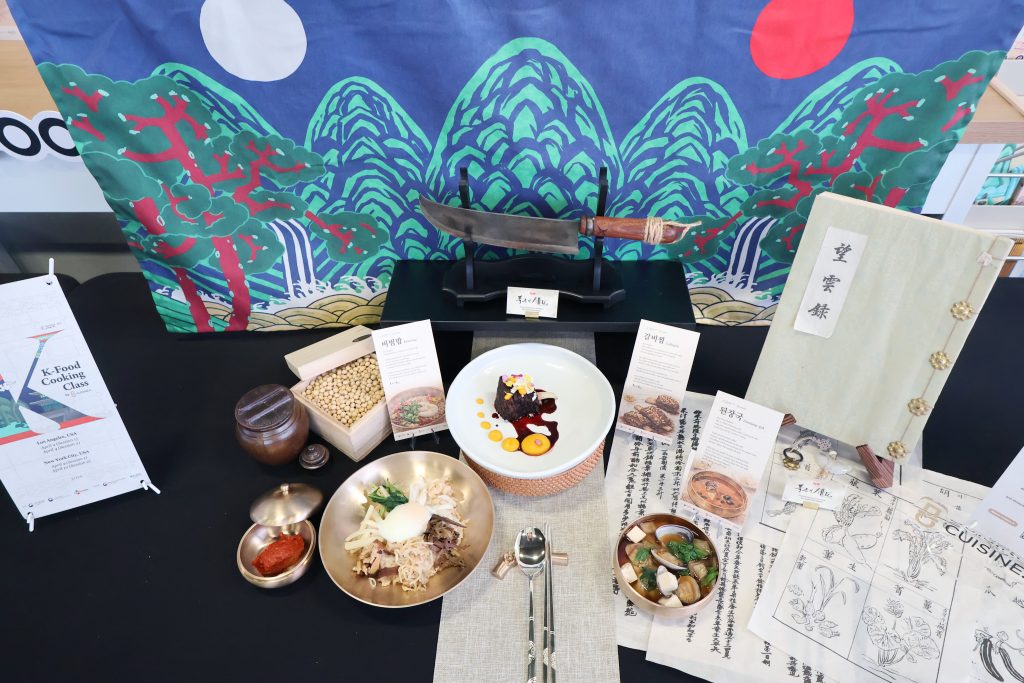
The Touring K-Arts classes were designed around those conditions. In the cooking classes, the popular drama “Bon Appétit, Your Majesty” served as the entry point. Participants first encountered dishes featured in the K-drama, then learned about their historical background and contemporary reinterpretation through the chefs’ explanations and demonstrations. Attendees also had access to a wide variety of bibigo products, bringing K-flavor authenticity to their creations. Participants were introduced to the various dishes not only through recipes but as part of a broader food culture. They then watched the chefs’ culinary techniques, practiced them directly and discussed the results together.
“Simply telling people that Korean food exists isn’t very impactful,” Park commented. “But when they make it, taste it and experience it with others, it becomes much more memorable. That’s when someone stops being a person who knows Korean food only casually and becomes someone who actively participates in the culture behind it.”
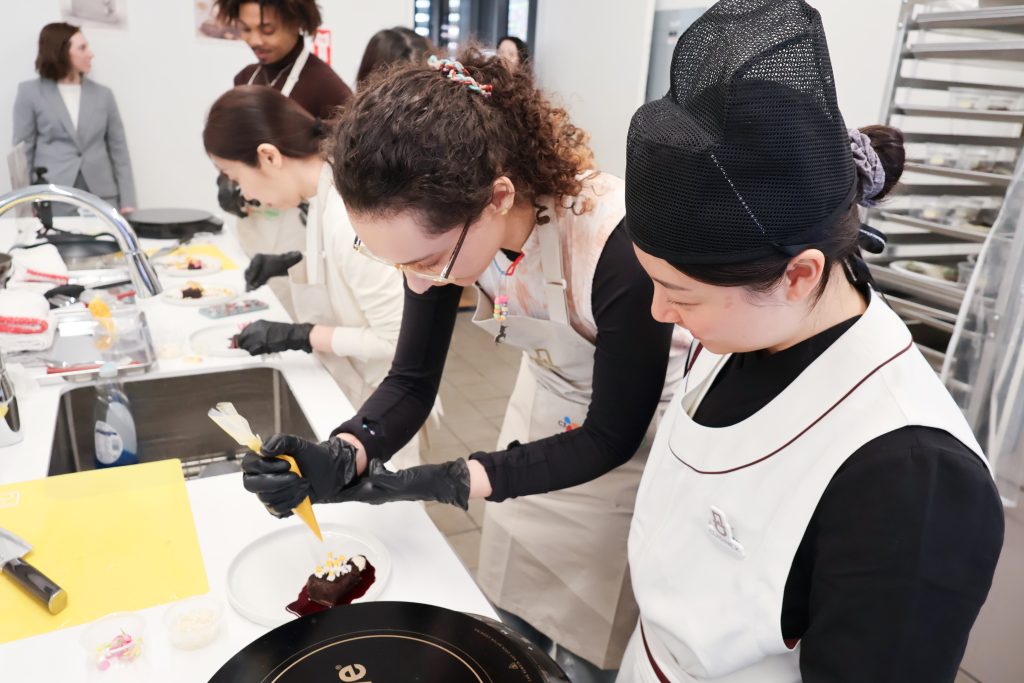
This kind of structural education changes the relationship between the audience and the food. After all, a dish becomes easier to revisit when its flavor logic has been explained clearly, and it becomes less intimidating when a participant has already made it once with expert guidance. It also becomes more repeatable when the path back to the dish, through recipes and seasonal ingredients, remains visible after the class ends.
This is what makes experience so important. It transforms Korean cuisine from a visual reference into a practical one. Instead of remaining part of a K-drama viewer’s media diet, it begins to enter their home kitchen.
What Cuisine.K Adds to the Equation
Significantly, Cuisine.K is not limited to staging cooking classes — it was established to discover and develop culinary talent, then connect that talent with broader global audiences.
That larger purpose is visible in the U.S. program itself, whose cooking classes were led by chefs Roh Jin-hyoung (Deepin Euljiro3ga), Seo Ha-ram (Mr. Ahn’s Craft Makgeolli) and Kim Ji-yeon (Jungsik), all alumni of the Cuisine.K program with experience in Michelin-starred kitchens. Their presence showcased how Cuisine.K is developing chefs who can teach, interpret and represent Korean cuisine for global audiences. In that sense, the program functioned not only as a series of cooking classes for participants but also as a clear example of how Cuisine.K connects chef development with audience engagement. In this context, chefs do more than cook. They explain the structure of a dish, the context behind it and the reason it matters. They help Korean cuisine feel accessible, making it easier for participants to understand not only what to do, but why.
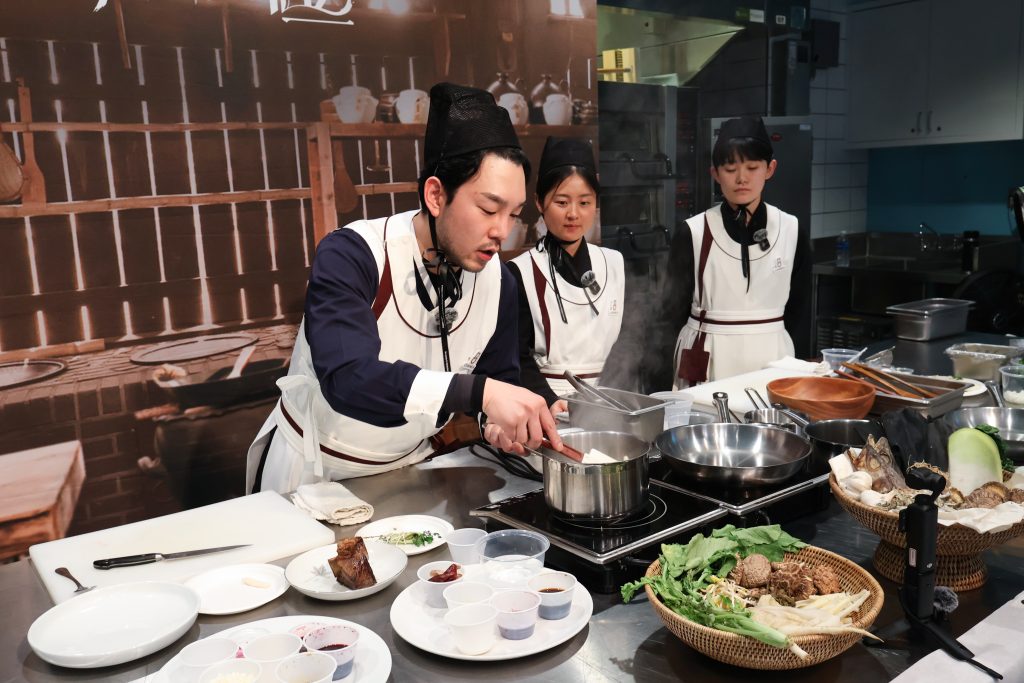
Park said chefs are not simply people who cook but people who communicate the taste, philosophy, technique and story of Korean cuisine. She added that the more chefs there are who can interpret Korean food in their own language, the more ways global consumers can encounter and experience it.
This role is especially important in a market like the U.S., where trust in the chef behind the food often shapes how people judge a culinary experience. Chef-led learning gives Korean cuisine a human guide, helping move the conversation beyond trendiness and toward repeatability.
Cuisine.K’s broader framework reinforces this point. Rather than approaching Korean cuisine as a one-off cultural showcase, the program supports chefs across multiple stages of development and creates more opportunities for them to bring Korean food to new audiences through classes, pop-ups, competitions and other forms of engagement.
From One Class to Everyday Use
The final question is what happens after the class ends.
That is where the broader CJ structure becomes relevant. A well-designed experience can create intention, but everyday adoption depends on whether people can act on that intention later. The U.S. classes were built with that continuation in mind. Recipe papers, take-home elements and bibigo touchpoints all helped extend the experience beyond the sessions themselves, making it easier for participants to try the dishes again at home.
This is also where CJ Foods’ wider business foundation matters in the background. Repeat cooking and repeat purchase become more realistic when that interest is backed by a strong local supply base. From Vietnam and Japan to newer production bases in Hungary and the U.S., CJ Foods has expanded its global footprint to improve speed, logistics and responsiveness to local demand — the kind of operating foundation that helps support the everyday adoption of Korean food. In that sense, Cuisine.K and CJ Foods operate on connected tracks: one builds familiarity and confidence, while the other provides access and continuity.
“What Cuisine.K hopes to build is not a one-time experience but an ecosystem that helps Korean cuisine become something people encounter naturally and choose repeatedly in their everyday lives,” Park added. “When Korean food is no longer seen as something unfamiliar or occasional but as something people come back to time and again — that’s when real adoption begins.”
K-food’s next chapter will depend less on how widely it is recognized and more on how easily it can be learned, repeated and lived with. That is why Cuisine.K matters now. By combining chef development, hands-on learning and repeatable access points, it is helping move Korean cuisine from awareness to adoption — not as a passing fascination but as an everyday option at the table.