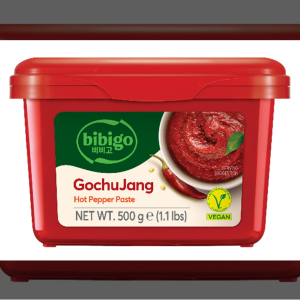
You can no longer say K-food is ‘unfamiliar’ in the UK, but it is still too early to call it ‘mainstream.’ Then how and where do British consumers first encounter K-food?
Faye Min at the CJ Foods UK is digitally tackling that question. She designs how bibigo is presented to consumers across both online and offline touchpoints and even steps in front of the camera herself when necessary.
A studio on the outskirts of London was buzzing in preparation for a live stream as the evening dimmed into night. There, we met Faye, who shapes consumers’ first experience with K-food and bibigo in the UK.
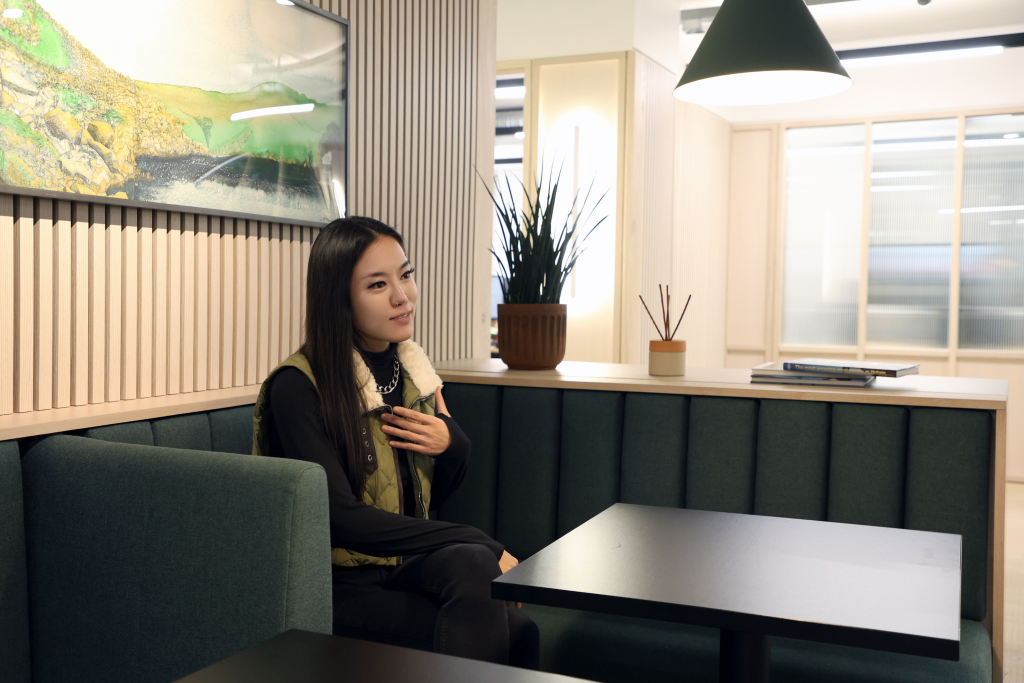
Q. Please introduce yourself.
Hello, I’m Faye Min. I’m leading bibigo’s newest initiatives in the UK. With digital commerce strategies as my main responsibility, I oversee the overall design of consumer touchpoints such as the newly launched bibigo UK TikTok Shop* Channel and the bibigo UK food truck.
I grew up in the United States and moved to the UK in 2022 for my MBA. I’ve always been interested in food and foodie culture. K-food, in particular, has been a defining part of my life. Growing up abroad while staying closely connected to Korea has led me to the role I’m in today—introducing bibigo to consumers across the UK.
*TikTok Shop: TikTok Shop is TikTok’s in-app shopping channel that blends short‑form and live content with e-commerce, letting viewers discover and purchase products without ever leaving the app.
Q. If you had to choose one keyword to describe the essence of your work, what would it be?
I’d say ‘online touchpoints.’ At the end of the day, my role is to map out where and how consumers in the UK first encounter bibigo. Lately, I’ve increasingly shifting that starting point to online channels.
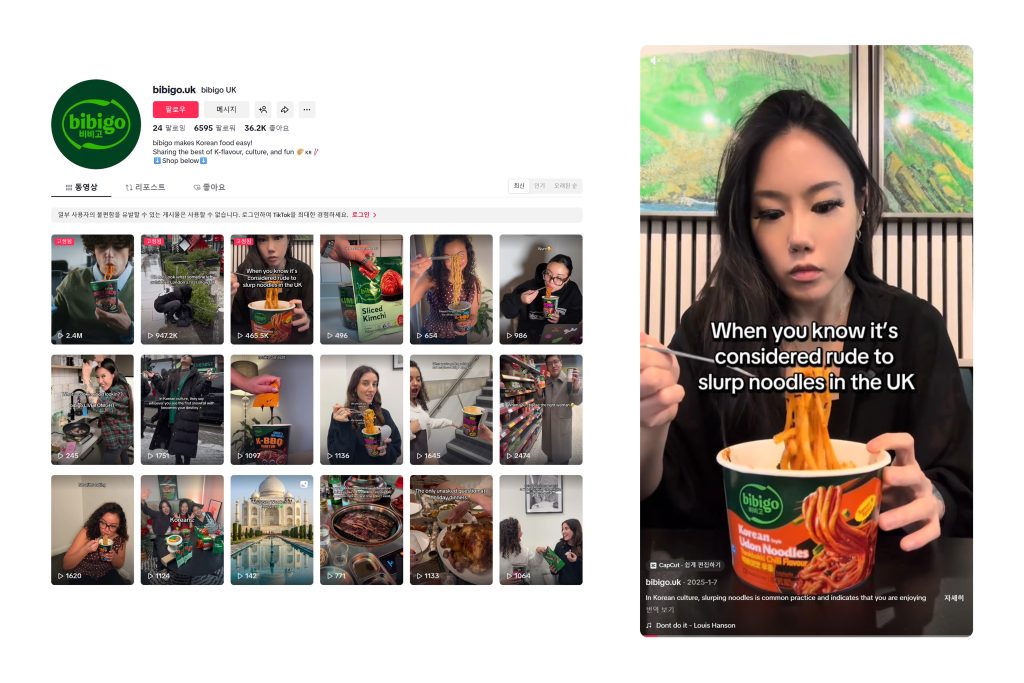
When a new food trend pops up these days, most people’s first exposure is watching someone try it on social media. I think just watching a reaction clip makes people think they’ve already tasted that food. So to make bibigo a brand that people can readily experience in their social media feeds, we’re especially invested in experimenting with TikTok Shop.
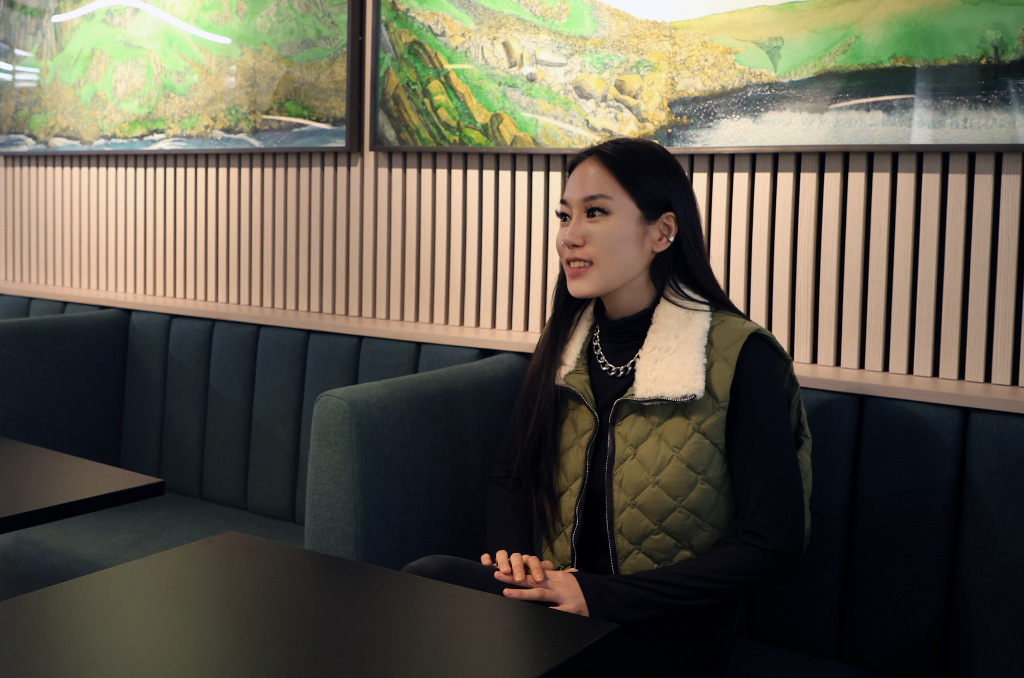
Q. Where is bibigo UK TikTok Shop in its development?
We’re still laying the groundwork. bibigo entered TikTok Shop UK earlier than most Asian food brands, which has given us a first‑mover advantage. But I think that also means the way we design the foundation matters even more. So during the day, I’m shaping strategies, and in the evening, I’m at the studio overseeing our live streams.
Since K-food isn’t completely mainstream in the UK yet, it’s important to use live streams to clearly show what it tastes like and how to enjoy it. We determined that viewers needed to see someone who knew K-food tasting it on camera and giving the cultural context behind each dish. That’s ultimately why I decided to step in front of the camera myself for the live sessions.
Q. You show up not only on live streams but also quite often on bibigo UK’s social channels. What led you to become the ‘unofficial bibigo influencer’?
I figured that if someone inside the company had the best understanding of bibigo’s tone and personality, then showing that directly could be effective. So I started planning and shooting Instagram content myself, and the response was much stronger than I expected. Even though it’s a brand account, I think it’s important that it doesn’t feel distant—that consumers can sense there’s a real person behind it.
Q. Why are online touchpoints especially important in the UK market?
In terms of distribution, the UK grocery market has one of the highest private-label shares in Europe, limiting the visibility of imported brands in offline stores. With limited shelf space, securing prime shelf placement is expensive, which makes it hard for new brands to achieve visibility.
Considering this market structure, we realized the limitations of relying solely on in‑store displays for bibigo’s first contact with consumers. That is why we zeroed in on the online realm, especially on e-commerce channels, which seamlessly tie together brand exposure, experience, and purchase in one fell swoop. I think e-commerce is a very fitting platform for introducing bibigo to people for the first time.
Q. Ultimately, what is the goal you’re working toward?
Interest in K-food is growing, and my goal is to put the bibigo brand at the forefront of that movement. I envision a future where I won’t have to explain what bibigo is to British people. And I think TikTok Shop is an important step in our journey toward realizing that goal.
For Faye, who grew up in the United States when K-food barely registered on the mainstream radar, the changes she sees today probably feel like more than just a passing trend. K-food is going from something that must be explained to an everyday choice. As Faye is experimenting with and proving that evolution through the bibigo brand, she is helping to write the next chapter of K-food’s history in the UK.